What to Wear in Finland in Winter: Clothing & Packing Tips
What should you wear in Finland in winter? That’s the ultimate question when you’re planning a winter trip here.
You need to be prepared for the cold, but what do you actually need? Do you need to buy winter clothes before your trip, or can you get everything you need once you’re in Finland?
I’ll cover all of this so you know what clothing, shoes and accessories to pack to stay warm and comfortable.
Winter travel is obviously a bit more complicated than summer travel. In summer, you can throw a few of your favorite dresses into your suitcase and call it a day. In winter, you need to think a little more carefully about what you’re bringing, especially when you’re travelling somewhere like Finland, where temperatures can drop well below freezing.
You’ll want to know how to dress for outdoor activities, snowy conditions and days spent exploring Finnish cities. And after experiencing more than 30 Finnish winters myself, I’m here to share what actually matters when dressing for the cold and what you probably don’t need to worry about.
Also read: My ultimate guide to winter in Finland.
How to dress for a Finnish winter: The layering system
If you haven’t really travelled to a cold country before and have no idea how layering works, let me quickly explain it.
Dressing for winter is about more than just throwing on your heaviest winter jacket and hoping for the best. Layering is the key to staying warm and comfortable, especially when you’re spending time outdoors in Finland.
There are three main layers to know about, and each has its own purpose.
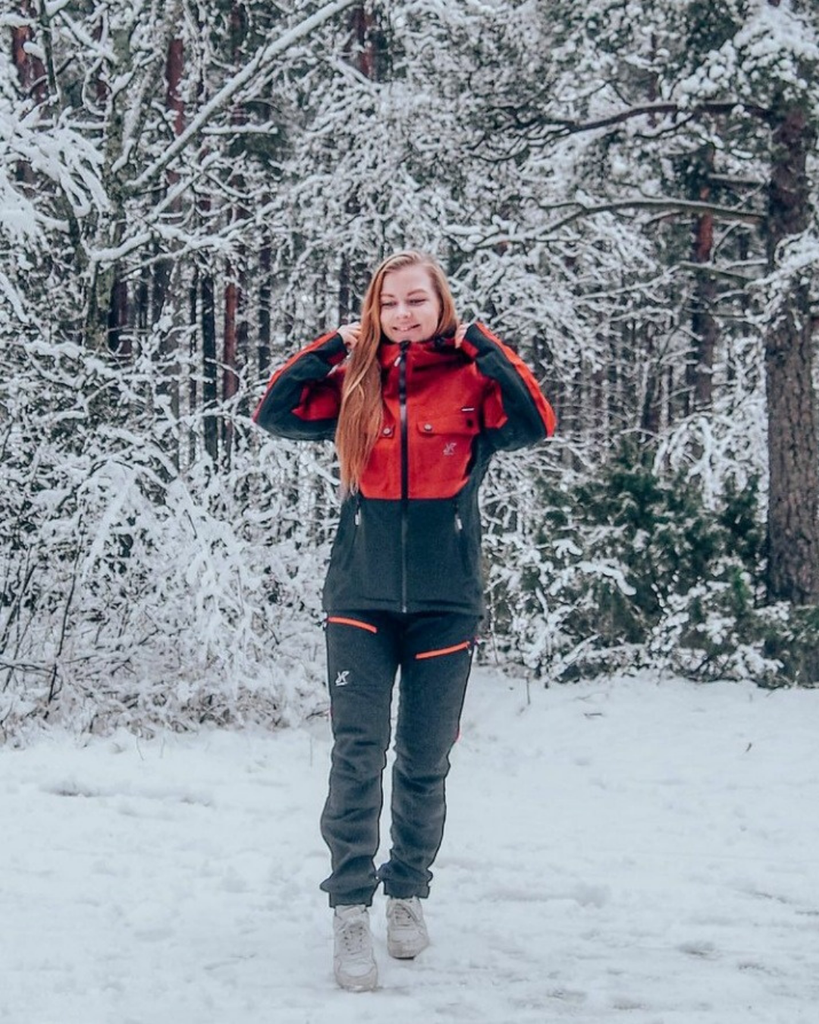
Base layers: what to wear closest to your skin
Your base layer is the first layer of clothing you put on, and its job is to help manage moisture while keeping you comfortable. When you’re walking around in the cold, you might start sweating without even noticing it, especially if you’re walking uphill or doing other outdoor activities. If moisture stays against your skin, you can end up feeling cold.
Merino wool is a popular choice for winter base layers because it helps regulate temperature and manages moisture. Synthetic fabrics designed for sports and outdoor activities can work well, too. You don’t necessarily need to buy a special thermal set for every winter trip, but if you plan to spend a lot of time outdoors in freezing temperatures, a good base layer can make a real difference.
One thing I’d avoid for extended outdoor activities is using cotton as your main base layer. Cotton holds moisture and can leave you feeling cold when it gets damp.
Mid-layers: how to stay warm
The mid-layer is what helps keep you warm by trapping heat close to your body. This could be a fleece, a wool sweater or a warm down or synthetic insulated jacket, depending on the weather and what you’re planning to do.
You don’t always need a thick sweater. The idea is to choose insulation that suits the conditions and fits comfortably over your base layer without making everything too tight. If it’s particularly cold, you can add another thin layer rather than relying on one bulky item.
For a day exploring a Finnish city, a warm sweater under your winter coat might be enough. If you’re planning to spend hours outdoors, especially in colder parts of Finland, you’ll probably want more insulation.
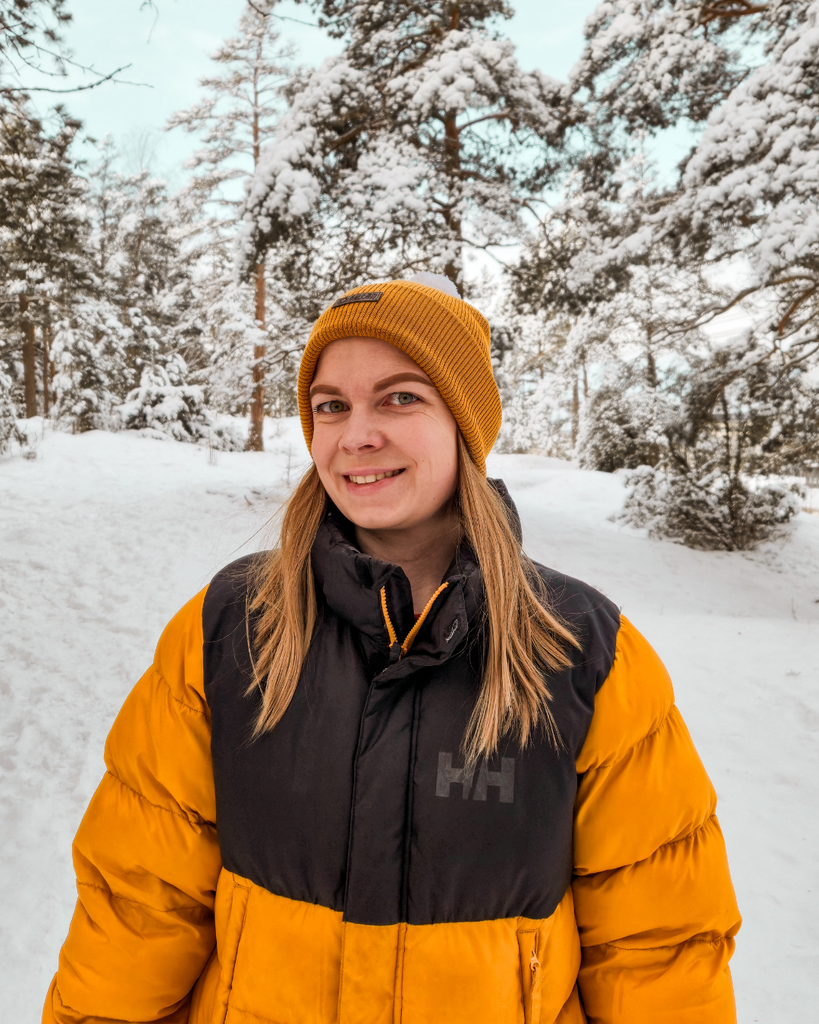
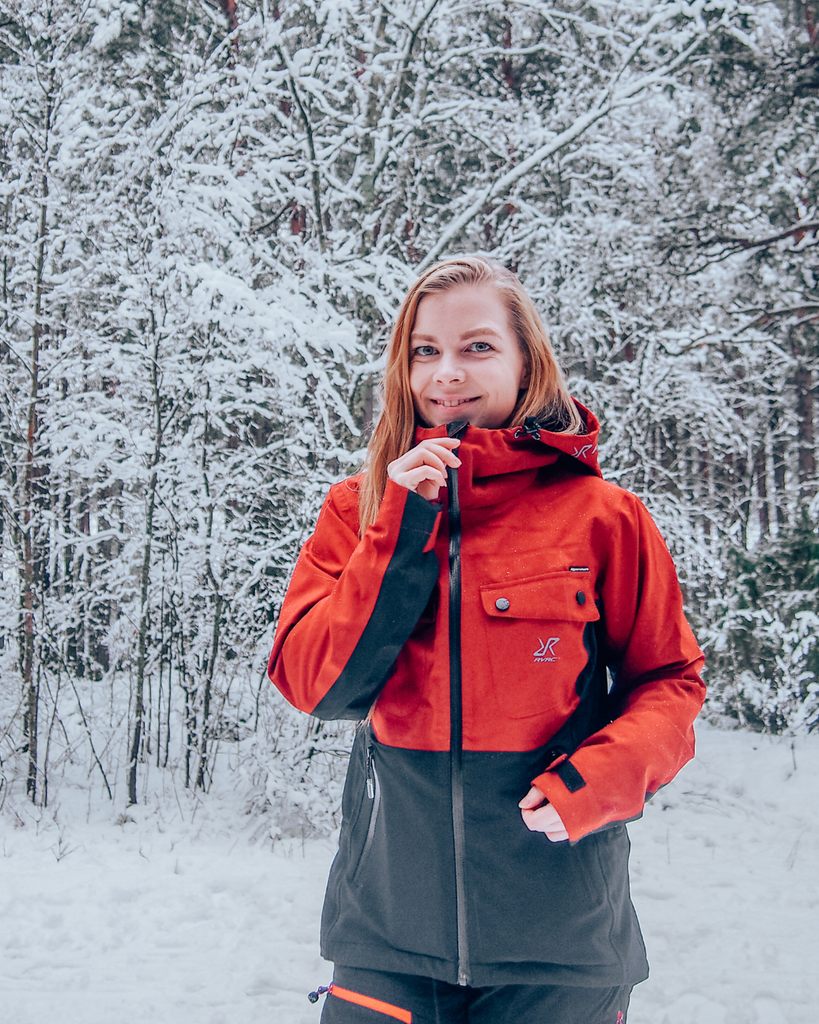
Outer layers: protection from wind, snow and rain
Your outer layer protects you from wind, snow and wet weather. This is usually your winter jacket, although the type you need depends on the conditions and your activities.
For everyday winter sightseeing, look for a warm jacket that blocks the wind and offers suitable protection from snow or slush. If you’re going hiking or spending a long time outdoors, a windproof and waterproof or water-resistant outer layer can be especially useful.
Remember that the warmest jacket isn’t automatically the best choice for every situation. You need to be able to move comfortably, and your layers should work together without feeling too tight. You’ll also want to adjust them as you warm up or cool down throughout the day.
What to wear in Finland in winter
So, now that you know how layering works, let’s get into the actual clothes you should pack for your winter trip to Finland. You don’t need to bring your entire wardrobe, but there are a few things you’ll want to have with you to stay warm and comfortable, whether you’re exploring Finnish cities or spending time outdoors in the snow.
Winter jacket
Your winter jacket is probably one of the most important things to get right. You’ll want something warm enough for the temperatures you expect, preferably windproof and able to handle snow or light rain. A hood is also useful when it’s windy or snowing.
The kind of jacket you need depends on where you’re going and what you’ll be doing. If you’re mostly exploring cities, a warm everyday winter coat might be perfectly fine. If you’re planning to spend hours outdoors in Lapland or waiting outside to see the Northern Lights, you’ll want something warmer, especially when temperatures drop well below freezing.
You don’t necessarily need to buy a brand-new jacket just for your trip. If you already own a warm winter coat, check whether it’s suitable for the temperatures and activities you have planned.
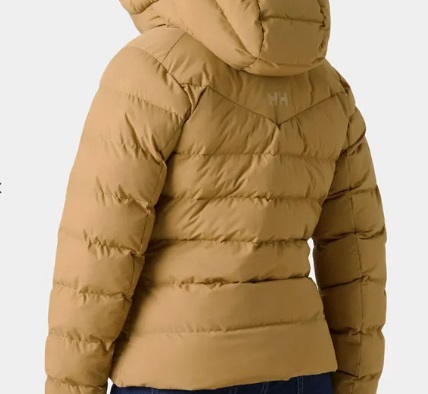
Helly Hansen is a brand worth checking out if you’re looking for outdoor clothing. I bought one of their winter jackets last winter, and it’s hands down the warmest winter jacket I’ve ever owned!
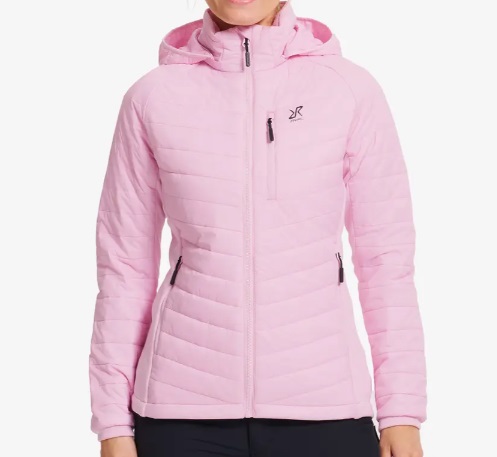
RevolutionRace is another brand worth checking out if you’re looking for outdoor clothing. They have a wide range of options for different weather conditions and activities.
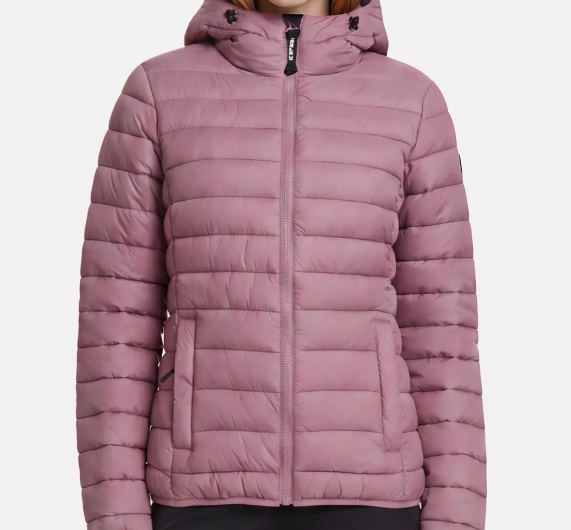
Luhta is Finnish brand I’ve used quite a lot over the years. If you’re looking for winter clothing, it’s worth checking out their selection of jackets and outdoor wear.
Trousers and thermal leggings
Don’t forget about your legs! What you need to wear depends on how much time you’ll spend outside and how cold it is.
For everyday sightseeing, your usual trousers might be enough on milder winter days, especially if you’re walking around rather than standing still. When temperatures drop, wearing thermal leggings underneath can make a big difference without taking up much space in your suitcase.
If you’re planning outdoor activities such as hiking, snowshoeing or spending extended periods in the snow, insulated outdoor trousers or snow pants can be worth bringing. These offer extra warmth and protection from snow, particularly if you’ll be sitting or kneeling on the ground.
Hats, gloves, mittens and neck warmers
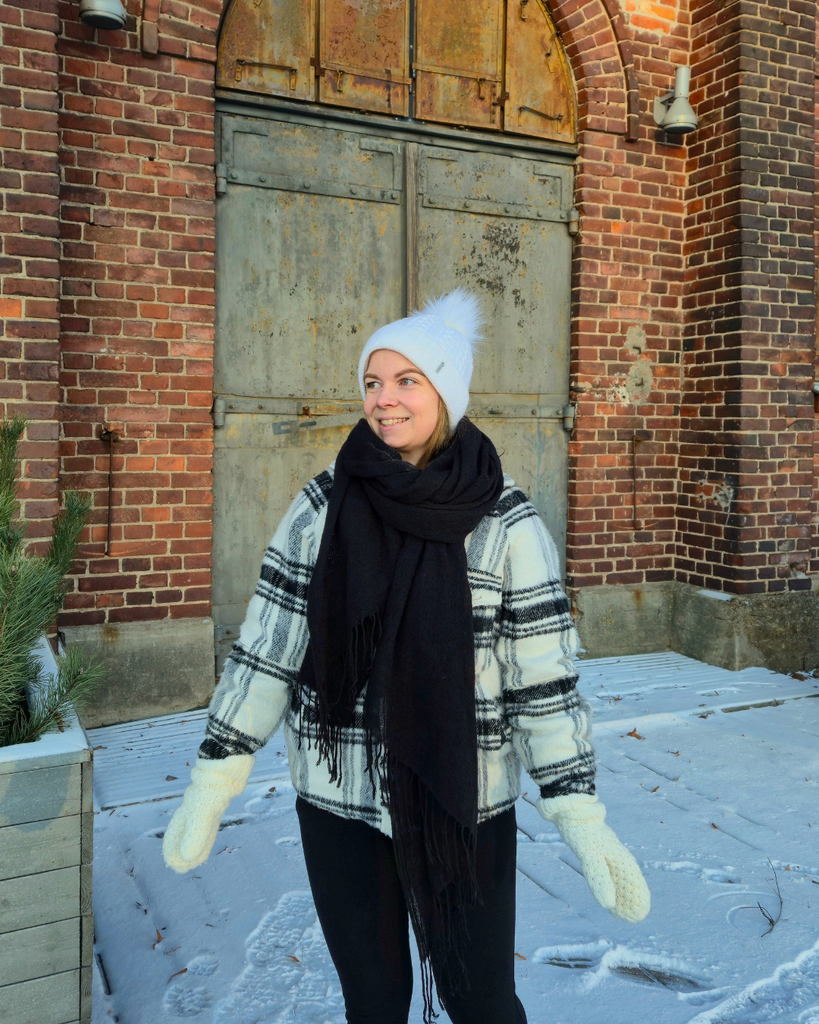
You’ll also want to pack accessories that cover the parts of your body that are exposed to the cold. A warm hat that covers your ears, gloves or mittens, and a scarf or neck warmer can make a noticeable difference on chilly days.
Mittens are often warmer than gloves because your fingers can share warmth, although gloves can be more practical when you need to use your phone or handle things outdoors. If it’s very cold, you can also use thin gloves underneath warmer mittens.
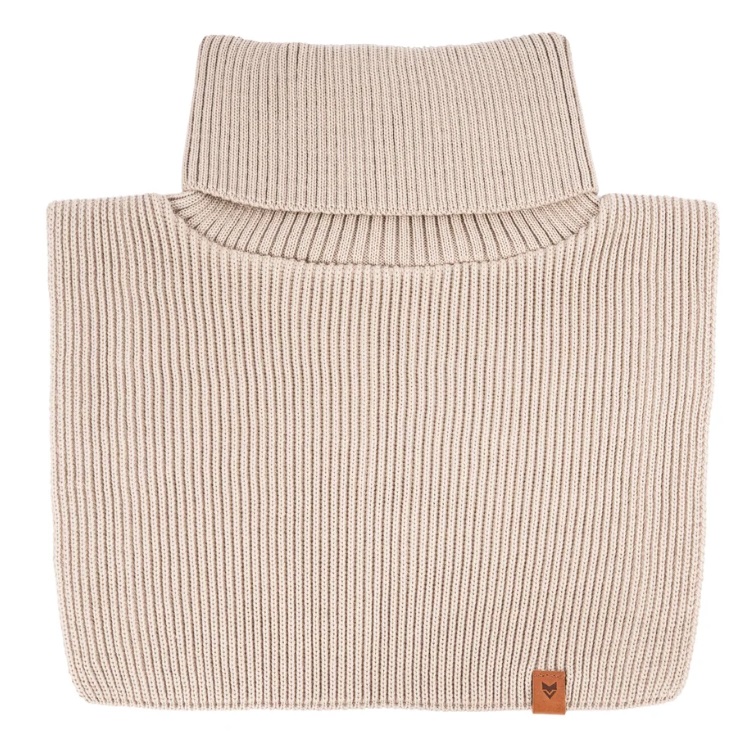
A neck warmer is a handy alternative to a scarf, especially on windy days when you want to keep cold air from getting inside your jacket. These items don’t take up much space in your luggage, but you’ll be glad to have them when the temperature drops.
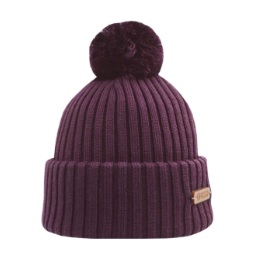
When it comes to beanies and headwear, Superyellow is my go-to. I’ve been wearing their beanies every winter for years, and they’re a regular part of my winter wardrobe.
A neck warmer is especially useful if you’re planning to spend a lot of time outdoors. Your neck is one of those areas you definitely want to keep covered when it’s cold and windy.
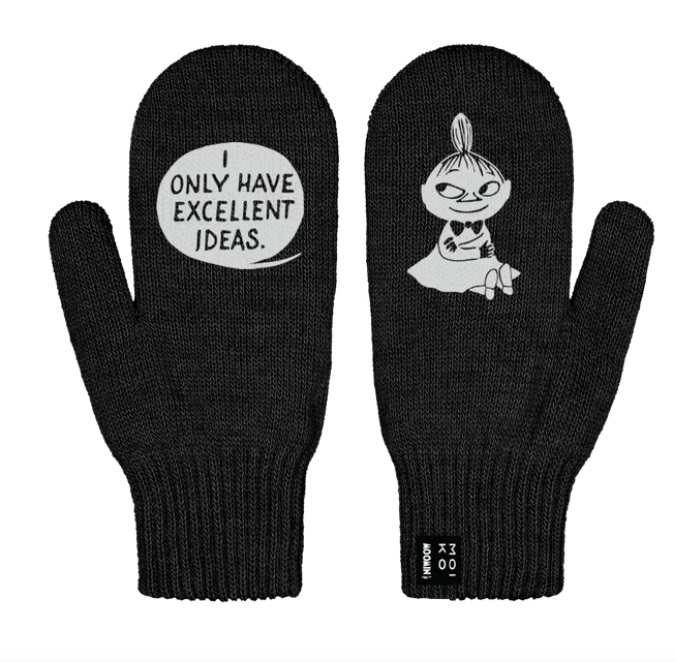
Mittens are another winter essential. I really like these mittens from Moiko because they have reflectors built in which are important details on your clothing and accessories in the winter.
Socks and footwear
Cold feet can quickly ruin a winter outing, so don’t underestimate the importance of good shoes and socks. Ideally, choose winter boots that are warm, comfortable for walking and have a sole with good grip. Water-resistant or waterproof footwear is useful too, as Finnish winter weather can mean snow one day and wet slush the next. I’d also recommend boots that come above your ankles. Trust me when I say that having snow sneak into your shoes is not fun. Your socks get wet, your feet get cold, and suddenly you’re not enjoying that winter walk anymore!
For socks, wool or merino wool socks are a good option for keeping your feet comfortable. Just make sure your boots still have enough room for your toes. Wearing several pairs of thick socks inside tight boots can actually make your feet colder by restricting circulation.
One thing to remember is that ordinary trainers with smooth soles aren’t ideal for icy pavements. If you’re visiting during winter, footwear with better traction will make getting around much more comfortable.
Common winter clothing mistakes to avoid
- Wearing shoes with poor grip. This is a big no-no when there’s snow and ice on the ground and walking becomes a bit of a challenge. Trust me, you’ll want shoes that help keep you on your feet instead of having you land on your butt! Good grip makes a huge difference when you’re walking on icy pavements.
- Leaving gaps around your wrists, neck or waist. Cover yourself, please! When cold air sneaks in through the gaps between your clothes, you’ll feel the chill much faster. I used to leave these areas uncovered when I was younger, but now I know better. Make sure your jacket fits properly, your sleeves cover your wrists, and your neck is protected from the cold.
- Underestimating wind. Don’t just look at the temperature when deciding what to wear. I’ve done this so many times: I check the temperature, leave home thinking I’m dressed warmly enough, and then realise how strong the wind actually is. Suddenly, I’m wishing I’d put on another layer! Wind can make a big difference to how cold you feel, so check the forecast for wind conditions too and dress accordingly.
- Wearing wrong socks. As I mentioned earlier, wool or merino wool socks are a good choice for winter. Thin everyday socks might not provide enough warmth when you’re spending time outdoors in freezing temperatures. Just make sure your socks aren’t so thick that your boots feel tight, because you still need room for your toes to stay comfortable.
- Forgetting that standing still makes you colder. Walking around and waiting outside are two very different things when it’s freezing. If you’re planning to watch the Northern Lights, take photos, or spend a long time outdoors without moving much, you’ll need more insulation than you might need while exploring a city on foot. Bring an extra warm layer if you know you’ll be standing around for a while. Your future self will thank you!
What to wear in Lapland vs Southern Finland
Like I said earlier, what you should wear depends a lot on where you’re going and when you’re visiting.
Lapland generally has colder winter temperatures, and proper winter clothing is especially important if you’re planning to spend hours outdoors watching the Northern Lights, visiting reindeer farms or exploring the snowy landscapes.
But don’t assume Southern Finland is always warmer! We get our fair share of -20°C and even -30°C days down here, too. The difference is that Southern Finland’s winter weather tends to fluctuate more. You might experience freezing temperatures one day and rain, slush and temperatures around zero the next.
My advice? If you’re visiting both Lapland and Southern Finland on the same trip, pack layers rather than relying on one big winter outfit. You can add or remove layers depending on the temperature, and you’ll be much more comfortable moving between the two regions.
What to pack for Finland in winter: Checklist
Packing for a Finnish winter doesn’t have to be complicated, but there are a few things you’ll definitely want to bring. I’ve put together a winter packing checklist to help you get ready for your trip, whether you’re exploring the cities in Southern Finland or heading north to Lapland.
Save the checklist below so you can refer back to it while packing!
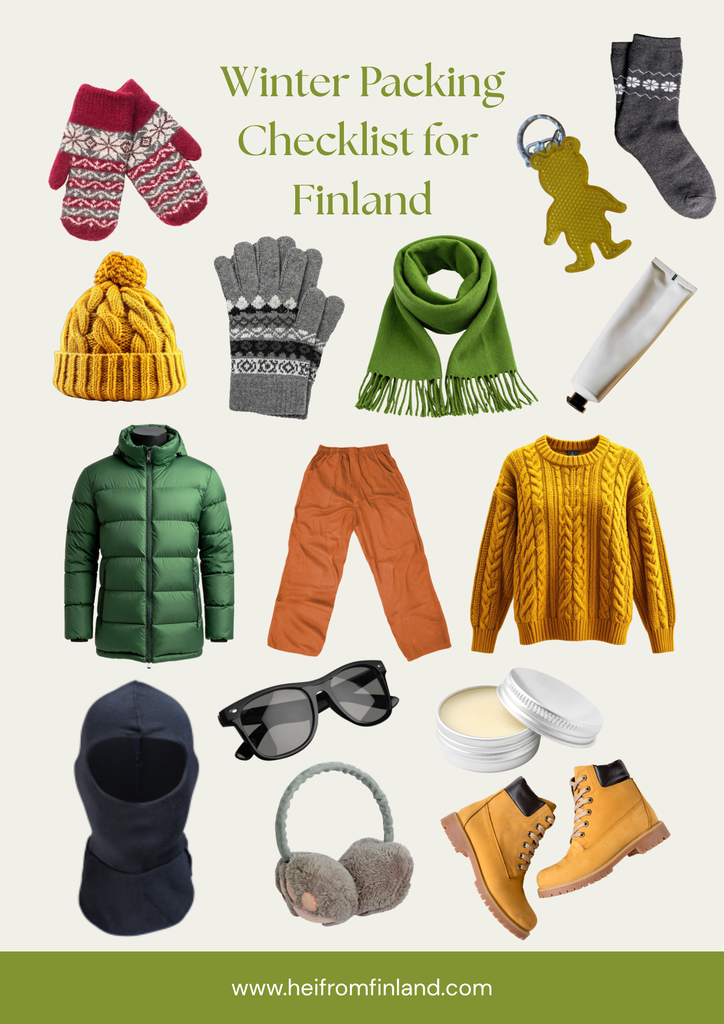
Accessories
Notes
- Mittens over gloves! They’ll keep your hands warmer when it’s really cold. Gloves are still handy for milder days or when you’re just popping outside for a bit.
- A good beanie is a must. Go for wool if you can!
- Don’t forget your sunglasses! The winter sun reflecting off the snow can be surprisingly harsh, so these are a must even in the middle of winter.
- Don’t forget a reflector! It gets dark early in Finland during winter, and reflectors help drivers spot you more easily in the dark. You can buy them in lots of places in Finland, so no need to bring your own if you don’t have one already!
Clothing
Notes
- (Merino) wool for the win! It keeps you warm, helps wick away moisture and makes a huge difference when it’s cold.
- Avoid cotton as your base layer. It holds onto moisture, which is the last thing you want when you’re trying to stay warm.
- You don’t need to pack loads of woolen layers. Wool doesn’t need washing after every wear. Just air it out and it’ll be good to go again. Bring 1–2 pairs and you’re sorted!
- One good winter coat is a must! A good hood is a big plus when it’s windy or snowing.
- Ice grips are worth considering! You can attach them to the bottom of your shoes when it’s icy, making walking on slippery pavements a lot easier.
Skincare and other essentials
Notes
- Sunscreen isn’t just for summer! If you’re spending time outdoors in the snow, particularly on bright days or in the mountains, sun protection is worth considering.
- Cold temperatures can drain your phone battery much faster than usual. Keep your phone in an inside pocket close to your body when you’re outdoors, and bring a power bank for long days out.
One last tip: check the forecast before you leave and find out whether your booked activities provide thermal overalls and boots. You might not need to bring as much heavy winter gear as you think!
Do you need special skincare for a Finnish winter?
When you’re thinking about what to pack for your trip to Finland, you might forget something really important: skincare!
Warm, comfortable clothes are a must, but so is taking care of your skin. Finnish winter weather can leave your skin feeling really dry, and trust me, I’ve struggled with this exact problem every single winter. So consider this your friendly warning!
Make sure to pack hand cream, a good face moisturizer and lip balm. I’d also recommend keeping your hand cream and lip balm in your day bag so you can reapply them whenever you need to. If you have sensitive skin, bring products you already know work for you rather than experimenting with new ones during your trip.
And don’t forget sunscreen! Even in winter, UV rays can affect your skin, especially when you’re spending time outdoors around snow.
Your skin will thank you for it!
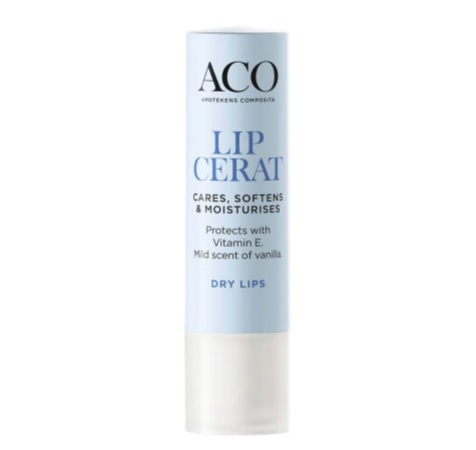
Lip balm is a winter essential, as your lips can get dry really easily in cold weather. ACO is a Swedish brand, but it’s one of my go-to brands when it comes to skincare.
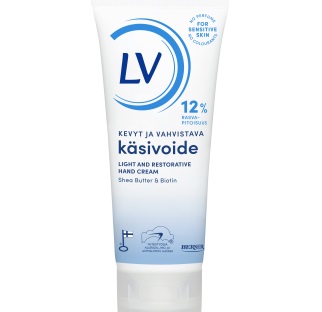
LV is another Finnish skincare brand worth checking out, especially if you’re looking for gentle, fragrance-free products to bring along on your winter trip.
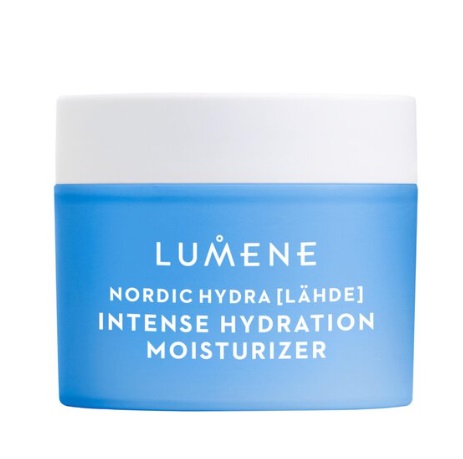
Lumene is one of the brands I own the most products from and I’ve been using their products for years. I can highly recommend checking them out.
Should you buy or rent winter clothes in Finland?
If you’re visiting Finland for the first time and don’t own proper winter clothing, you might be wondering whether you need to buy everything before your trip. The good news is that you don’t!
If you’re heading to Lapland for a few days, renting winter clothes can be a great option, especially if you live somewhere that doesn’t get very cold winters. You won’t have to spend a fortune on clothes you might never wear again, and you’ll save some precious suitcase space.
Many rental companies in Lapland offer winter clothing sets that include items like insulated jackets and trousers, winter boots and mittens. Some guided activities also provide thermal overalls and boots, so check what’s included before booking anything extra.
My advice? Bring your own base layers, wool socks, hat and gloves, and consider renting the bulkier outerwear if you need it. Just remember to check exactly what’s included in the rental package, as it varies between providers.
And if you’re visiting Southern Finland, you probably won’t need a full set of Arctic gear for a typical city trip. Dress for the forecast and your planned activities instead!
If you’re visiting Lapland during the Christmas holidays or February school holidays, it’s worth looking into rentals in advance. Check availability, sizes, collection arrangements and whether the clothes are included in your activities before you arrive.
Final tips from a Finnish local
If there’s one thing I want you to take away from this guide, it’s that you don’t need to buy an entirely new wardrobe for your trip to Finland. You just need to know how to dress for the weather and what you’ll be doing.
And remember, Finnish winter isn’t the same everywhere! A city break in Turku is very different from spending hours outdoors in Lapland, so think about your itinerary before deciding what to pack.
If you’re still unsure about what to bring, don’t overthink it. Focus on good layers, warm feet and keeping your hands and head covered. You’ll be much better prepared already!
Check out my other winter guides: